
Working Together
What counselling with me is like, what to expect, and how to get started.
A chance to ask questions, see whether we’re a good fit, and decide whether you’d like to work together.
Thinking About Counselling?
If you’re thinking about counselling before, it’s completely normal to have questions.
You might be wondering what you’ll talk about, whether you’ll become emotional, or what happens if your mind goes completely blank. You might even be wondering whether counselling is right for you.
The truth is, there isn’t a right way to come to counselling.
Some people arrive with a clear idea of what they want to work on. Others simply know that life feels harder than it used to. Some people find it easy to talk from the beginning, while others need a little more time to settle in. However you arrive, we’ll begin with where you are.
You don’t need to have the right words, tell me your whole life story, or know exactly what you want from therapy. We can take our time. Sometimes the first session is simply about getting to know each other, understanding what’s brought you here, and beginning to make sense of things together.
Feeling nervous is completely okay too. Most people are. Meeting someone new and talking about personal things can feel daunting, especially if you’re used to coping on your own.
My job isn’t to judge you or tell you what you should be doing. It’s to offer a calm, confidential space where you can explore what’s going on, at a pace that feels comfortable for you.
You don’t need to know where to start. We’ll work it out together.
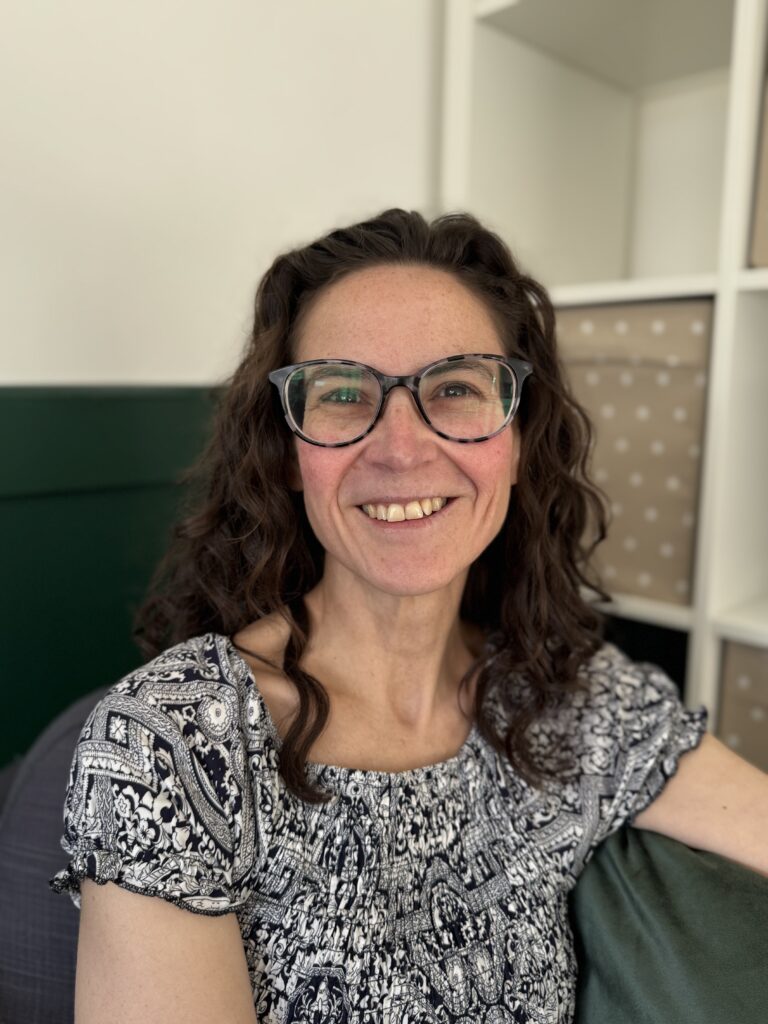
What it's like to work with me
One of the things people often tell me is that they were worried about saying the wrong thing.
They weren’t sure where to start, whether they’d become emotional, or whether they’d spend the whole session talking about something that didn’t really matter.
There isn’t a right way to do counselling.
Some sessions begin with a clear problem. Others begin with, “I’m not really sure why I’m here.” Sometimes you’ll have lots to say. Sometimes there’ll be long pauses while you gather your thoughts. Both are completely okay.
You don’t need to perform, impress me, or have everything neatly organised before you arrive. Counselling isn’t about getting it right. It’s about having the space to slow down, make sense of what’s happening, and explore it together.
There may be tears. There may be laughter. There may be moments where something suddenly makes sense in a way it never has before. Every session is different because every person is different.
My role isn’t to judge you or tell you how to live your life. It’s to walk alongside you with curiosity, compassion, and honesty as we explore whatever has brought you here.
There’s no expectation to be anything other than yourself.
How We’ll Work Together
Every person who comes to counselling is different. Your experiences, relationships, strengths and challenges are unique to you, so I don’t believe in a one-size-fits-all approach.
That’s why I work integratively. Rather than following one fixed model, I draw on different therapeutic approaches depending on what feels most helpful for you. Together, we’ll explore what’s happening in your life, make sense of patterns that may be keeping you stuck, and work towards the changes that matter to you.
Sometimes that means gently exploring the past. Sometimes it means focusing on what’s happening in the present. Sometimes it means finding practical ways to manage the challenges you’re facing today. We’ll decide together what feels most useful as our work develops.
We’ll decide together what feels right for you.
Here’s what that looks like in practice:
We work at your pace
We won’t rush or force the process. We’ll move at a pace that feels comfortable for you, giving you the time and space you need.
There isn't a one-size-fits-all approach
I work integratively, adapting the way we work to you rather than expecting you to fit a particular model of therapy.
Practical support when you need it
Sometimes simply being heard is enough. At other times it can help to explore ideas, strategies or new ways of understanding what’s happening. We’ll decide together what feels most helpful for you.

Everyone Experiences the World Differently
We all notice different things, respond differently to stress, and make sense of life through our own experiences. That’s why there’s no single “right” way to think, feel or cope.
You don’t have to fit a label
As an integrative counsellor, I don’t expect you to fit into a particular way of working. Instead, I adapt my approach to suit you. Together, we’ll explore what feels helpful, taking into account your experiences, your strengths, and the way you naturally process the world around you.
I was diagnosed with ADHD later in life. That experience doesn’t mean I’ll understand everything you’ve been through, but it does mean I appreciate that some experiences are often misunderstood or overlooked. You won’t need to convince me that your brain works differently before we can begin exploring what that means for you. If you would like to find out more about me, you are welcome to take a look at my about me page.
Whether you’re feeling overwhelmed, anxious, burnt out, grieving, questioning who you are, or simply finding life harder than it used to, my aim is to offer a space where you don’t have to explain or hide parts of yourself. You can simply arrive as you are.
You don’t have to fit a mould to belong here.
How I Can Help
You don’t need to have everything figured out before you come to counselling. Whether you’re feeling overwhelmed, anxious, burnt out or facing a significant life change, counselling offers a space to understand what’s happening and begin moving forward.
Feeling overwhelmed
When life feels like too much, even simple things can become difficult. Together, we can explore what’s contributing to that overwhelm and find a way forward that feels manageable.
Anxiety and overthinking
When your mind won’t switch off, even small decisions can feel exhausting. Counselling can help you slow things down and understand what’s driving the worry.
Burnout and emotional exhaustion
When you’ve been holding everything together for so long that you no longer know how to switch off, counselling can offer the space to rest, reflect and begin to recover.
Grief and loss
Grief changes us, and it rarely follows the path we expect. Whether your loss is recent or many years ago, counselling offers a space to grieve without pressure or time limits.
ADHD and neurodivergence
Whether you’ve been diagnosed, you’re beginning to question things, or you’ve simply recognised yourself in what you’ve been reading, counselling offers a space to explore your experiences without judgement or pressure.
Feeling stuck
Sometimes there isn’t one big problem. You may simply feel lost, disconnected from yourself, or unsure where to go next. Counselling can help you make sense of where you are and where you’d like to be.
What Happens Next
Getting started is simple. Here’s what you can expect from the moment you get in touch.
Arrange a Free Introductory Call
A relaxed conversation where you can ask questions, tell me a little about what’s brought you here, and decide whether we’d like to work together.
Complete Your Forms
If you’d like to go ahead, I’ll send you a counselling agreement and a client information form before your first session. This gives you time to read everything through without feeling rushed.
Your First Session
We’ll begin wherever feels right for you. There’s no expectation to prepare, and you don’t need to know exactly what to say. We’ll simply start with what’s brought you here.
Ongoing Counselling
Most people begin with weekly sessions, although fortnightly appointments are also available. We’ll review things together as we go and decide what feels most helpful for you.
A Few Practical Details
Everything you need to know before booking your first session.
Sessions
60-minute sessions
Weekly or fortnightly appointments, depending on what feels right for you.
Evening and weekend appointments are available.
In-person Counselling
Plymstock, Plymouth
Quiet, private therapy room
Easy on-street parking
One step into the room
Toilet available
Secure video sessions via Doxy
Attend from the comfort of your own home.
Available anywhere in the UK.
All you need is a quiet space and an internet connection.
£55 per 60-minute session
Payment is requested before each session.
Reduced-fee spaces are available for those on lower incomes, subject to availability.
If you have any questions before booking, we can talk them through during your introductory call.
Frequently Asked Questions
-
Do I need to know what I want to talk about?
Not at all. It's completely okay to arrive feeling unsure where to begin. We'll start with whatever feels most important in that moment, even if that's simply talking about why you've decided to come to counselling.
-
How many sessions will I need?
There's no fixed number. Some people come for a few sessions, while others choose longer-term support. We'll review things together as we go and decide what feels most helpful for you.
-
What if I'm not sure you're the right counsellor for me?
That's exactly why I offer a free introductory call. It's a chance to meet, ask questions and see whether working together feels right, with no obligation to continue.
-
Is everything I say confidential?
Yes. What you share in counselling is confidential, with a small number of legal and ethical exceptions. I'll explain these clearly before we begin so you know exactly where you stand.
Ready to Take the Next Step?
If you’re thinking about counselling, the first step doesn’t have to feel overwhelming. A free introductory call gives us the chance to meet, talk about what you’re looking for, and see whether working together feels right.
There’s no pressure to continue. Just a conversation.