
Online Counselling
Across the UK
Online counselling offers the same supportive, confidential space as face-to-face therapy, just from the comfort of your own home. Whether you’re juggling a busy schedule, living further afield or simply feel more comfortable in familiar surroundings, online sessions can make accessing counselling easier without changing the way we work together.
A chance to ask questions, see whether we’re a good fit, and decide whether you’d like to work together.
Is online counselling right for me?
Online counselling can be a good option if you’d like the support of therapy but find it difficult to attend face-to-face sessions. For many people, being able to access counselling from home makes it easier to fit therapy around work, family life and other commitments.
You might also prefer online counselling if you live outside Plymouth, have mobility or health difficulties, travel regularly, or simply feel more comfortable talking from a familiar environment. Some people find they can open up more easily when they’re sitting in their own space with a cup of tea rather than travelling to an unfamiliar room.
Online therapy isn’t about offering a different type of counselling. We still build the same therapeutic relationship, explore what’s brought you to counselling and work together in exactly the same way. The only difference is that we meet securely online instead of in person.
That said, online counselling isn’t the right fit for everyone. Some people prefer the experience of meeting face-to-face in a dedicated counselling room, away from the distractions of everyday life.
If you’re unsure which option would suit you best, we can talk it through during a free introductory call and decide together.
Does online counselling work?
Many people wonder whether online counselling can be as effective as meeting face to face. It’s a sensible question, especially if you’ve never had therapy before.
Research suggests that online counselling can be just as effective as in-person therapy for many people and a wide range of emotional difficulties. What makes the biggest difference isn’t whether you’re sitting in the same room as your counsellor, but the quality of the therapeutic relationship and whether you feel safe, understood and able to talk openly.
In our sessions, we’ll work together in exactly the same way as we would if you were sitting in my counselling room. We’ll explore what’s brought you to therapy at a pace that feels right for you, helping you better understand your thoughts, feelings and experiences.
Many clients tell me that talking from the comfort of their own home helps them feel more relaxed. Others appreciate not having to travel or rush to an appointment, making it easier to fit counselling into everyday life.
If you’re looking for support with anxiety, overwhelm, burnout, bereavement, or ADHD, online counselling can provide the same compassionate, professional support as face-to-face therapy.
Online counselling isn’t a second-best alternative. For many people, it offers the same depth, connection and support as meeting face to face.
What happens during an online counselling session?
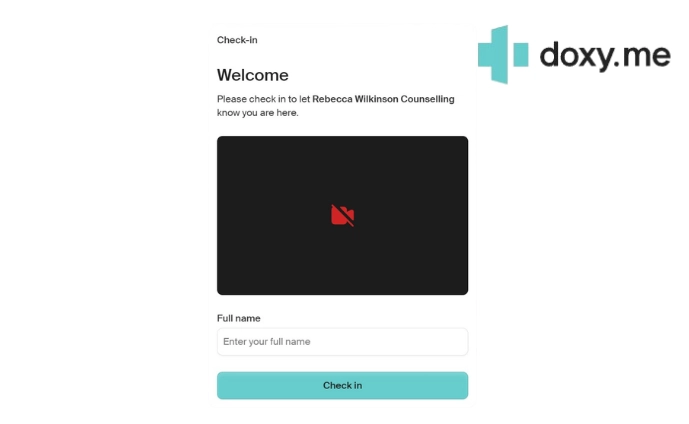
Online counselling works much like face-to-face therapy. Before your first appointment, I’ll send you a secure link to join the session. There’s nothing to download or install. Simply click the link a few minutes before your appointment and check in.
We’ll meet for 60 minutes using a confidential video platform. During that time, we’ll talk about whatever feels important to you, at a pace that feels comfortable. There isn’t a set agenda, and you don’t need to prepare anything beforehand.
All you need is a reliable internet connection, a device with a camera and microphone, and somewhere you can speak privately without being interrupted. Many people like to have a drink nearby and give themselves a little time after the session to reflect before returning to their day.
Although we’re meeting online, my approach remains exactly the same. My focus is on creating a safe, supportive space where you feel heard, understood and able to explore whatever has brought you to counselling.
If using technology feels daunting, don’t worry. The process is simple, and I’ll guide you through everything before your first session.
Getting the most from online counselling
Online counselling doesn’t require a perfect setup, but creating a quiet, private space can help you get the most from each session. Choosing somewhere you feel comfortable and are unlikely to be interrupted gives you the freedom to talk openly without worrying about who might overhear.
If possible, use a stable internet connection and a device with a camera and microphone. Some people find headphones helpful, as they improve sound quality and add an extra layer of privacy.
It’s also worth giving yourself a few minutes before and after each session. Rather than rushing straight into work, school runs or household jobs, try to allow yourself a little time to settle beforehand and reflect afterwards.
The aim isn’t to create the perfect environment. Life doesn’t always allow for that. Together, we’ll work with whatever is realistic for you and make online counselling as comfortable and accessible as possible.
You don’t need a dedicated office or a perfectly quiet home. Together, we’ll find an approach that works within your everyday life.
What can online counselling help with?
Online counselling can support you through many of the same challenges as face-to-face therapy. Whether you’re struggling with something that has recently happened or patterns you’ve been living with for years, having a safe space to explore your thoughts and feelings can help you better understand yourself and move forward.
I work with adults experiencing a range of emotional difficulties, including:
Anxiety
When your mind feels constantly busy, it can be difficult to switch off or feel at ease. Counselling can help you understand the thoughts and patterns that keep anxiety going and find healthier ways to respond.
Overwhelm
If everything feels like too much, therapy can help you slow things down, make sense of what’s contributing to the pressure and find a way forward that feels more manageable.
Burnout
When you’ve been coping for too long, you may feel emotionally and physically exhausted. Counselling can help you recover from burnout while exploring the patterns that led you there.
ADHD
Whether you’ve recently been diagnosed, suspect you may have ADHD or simply want neurodivergent-affirming support, counselling can help you better understand yourself and navigate life’s challenges.
Bereavement
Grief affects everyone differently. Whether your loss is recent or happened many years ago, counselling offers a compassionate space to process your grief at your own pace, without pressure or expectation.
I also work with people experiencing low self-esteem, people-pleasing, relationship difficulties, life transitions and many other emotional challenges. You don’t need to have a specific problem or diagnosis to benefit from counselling. If something doesn’t feel right, that’s enough reason to reach out.
Ready to Take the Next Step?
If you’re thinking about counselling, the first step doesn’t have to feel overwhelming. A free introductory call gives us the chance to meet, talk about what you’re looking for, and see whether working together feels right.
There’s no pressure to continue. Just a conversation.