
Signs of Burnout
Burnout can leave you feeling exhausted, overwhelmed and unlike yourself. This guide explains the signs of burnout, what burnout really means and how you can begin to recover.
A chance to ask questions, see whether we’re a good fit, and decide whether you’d like to work together.
What is burnout?
Burnout is a state of emotional, mental and physical exhaustion caused by prolonged or repeated stress. It develops gradually over time, often after months or years of feeling under pressure, carrying too much responsibility or pushing yourself beyond your limits without enough opportunity to recover.
Unlike having a difficult week or feeling tired after a busy period, burnout doesn’t simply disappear after a good night’s sleep or a relaxing weekend. You might take time off and still feel drained. You might catch up on your to-do list but still feel overwhelmed. Even things you used to enjoy can begin to feel like another task to get through.
Burnout can affect anyone. Although it is often associated with work, it isn’t limited to your job. Caring for children or ageing parents, coping with difficult relationships, managing health conditions, dealing with financial pressures or constantly trying to meet other people’s expectations can all contribute to burnout. Burnout also commonly exists alongside anxiety, making it difficult to know where one ends and the other begins.
For many people, burnout isn’t caused by one big event. Instead, it develops through lots of small moments of putting yourself last, saying yes when you wanted to say no, carrying responsibilities without support or feeling like you have to keep going no matter how exhausted you become.
By the time people begin searching for the signs of burnout, they often already know something has changed. They may not have the language for it yet, but they know they don’t feel like themselves anymore. Whether you’re looking for answers or considering counselling, understanding what burnout is can be the first step towards making sense of what you’re experiencing.
If this sounds familiar, you’re not alone. Burnout is more common than many people realise.
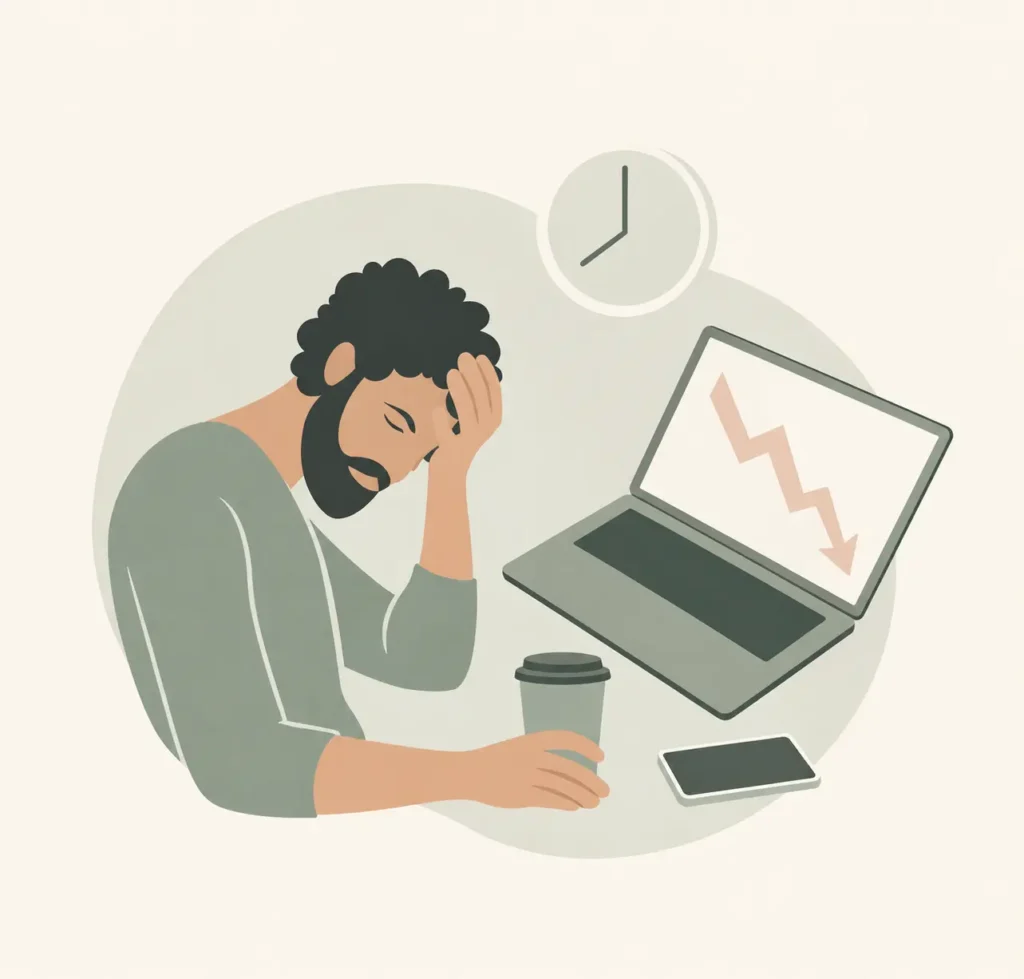
What are the signs of burnout?
Burnout can look different from one person to another, but there are some common signs. You don’t have to experience all of them for burnout to have a real impact on your life.
Burnout often begins subtly. At first, you might simply feel more tired than usual or find it harder to switch off at the end of the day. Over time, those feelings can become more persistent until they begin affecting your work, relationships and overall wellbeing.
You might notice emotional changes first. Feeling constantly overwhelmed, irritable or emotionally numb can become your new normal. Small problems may feel much bigger than they once did, and you may find yourself crying more easily, losing patience or feeling detached from the people around you. Many people also experience increased anxiety, finding it difficult to relax even when they finally have time to themselves.
Burnout can also affect you physically. You may feel exhausted even after a full night’s sleep, struggle with headaches, muscle tension or frequent illnesses, or notice that your body simply feels like it’s running on empty. Rest doesn’t always bring relief because the exhaustion runs deeper than being physically tired.
Your thoughts can change too. Concentrating becomes more difficult, making decisions feels overwhelming and even simple tasks can seem impossible to begin. You may find yourself forgetting things, losing focus or staring at your to-do list without knowing where to start.
Behaviour can change as well. Some people begin withdrawing from friends and family because they have nothing left to give. Others throw themselves into work even harder, believing they just need to push through. You might stop doing the things you once enjoyed, cancel plans, procrastinate more than usual or feel trapped in a cycle of constantly trying to catch up but never feeling like you’re getting anywhere.
One of the most difficult aspects of burnout is that many people blame themselves. Rather than recognising the signs, they assume they’ve become lazy, less capable or simply aren’t coping as well as everyone else. In reality, burnout is often a sign that you’ve been asking too much of yourself for too long.
Recognising the signs doesn’t mean you’re giving up. It means you’re beginning to understand what your mind and body have been trying to tell you.
Why does burnout happen?
Burnout isn’t a sign of weakness. It’s often the result of carrying too much for too long without enough time, support or opportunity to recover.
Burnout develops when the demands placed on you consistently outweigh the resources you have to cope with them. That might be time, energy, emotional capacity, support or simply the chance to rest.
For some people, work is the biggest contributor. Long hours, unrealistic expectations, constant deadlines or feeling unable to switch off can gradually wear you down. But burnout isn’t limited to the workplace.
Caring for children or ageing parents, supporting a partner through illness, juggling finances, managing health problems or dealing with difficult life events can all leave you running on empty. Even positive changes, such as moving house or planning a wedding, can become overwhelming when they pile up alongside everything else.
Sometimes burnout is linked to the way we’ve learned to respond to life. If you’ve spent years putting everyone else’s needs first, struggling to set boundaries or believing you always have to cope alone, you may ignore your own limits without realising it. People who are prone to people pleasing, find it difficult to say no or carry a heavy mental load often continue giving long after their energy has been depleted.
There are also times when burnout follows experiences of grief or loss. Looking after someone who is ill, coping with a bereavement or adjusting to life after a significant change can leave you emotionally exhausted, even if you’re managing to keep everything else going. Bereavement affects far more than our emotions, and the effort of simply getting through each day can become exhausting.
The important thing to remember is that burnout rarely appears overnight. It builds gradually, often so slowly that you adapt to feeling worse without noticing how much you’ve been carrying.
Burnout isn’t caused by a lack of resilience. More often, it’s a sign you’ve been surviving on determination for longer than your mind and body can comfortably sustain.
Can you recover from burnout?
Recovery doesn’t usually happen overnight, but it is possible. Small, consistent changes often make more difference than trying to fix everything at once.
If you’re experiencing burnout, your first instinct might be to push harder. You may tell yourself that once you’ve finished this project, got through this week or caught up on everything, you’ll finally be able to rest.
Unfortunately, burnout rarely works that way.
Recovery often begins by recognising that the pace you’ve been living at isn’t sustainable. That doesn’t mean giving up on your responsibilities or making dramatic changes overnight. It means acknowledging that your mind and body need time to recover from the stress they’ve been carrying.
Rest is an important part of recovery, but it isn’t always enough on its own. Many people discover they can take a holiday or have a quiet weekend, only to feel overwhelmed again as soon as normal life resumes. That’s because burnout is often linked to patterns that have developed over many years, rather than a single busy period.
Learning to recognise your limits, setting healthier boundaries and making space for your own needs can all play an important role in preventing burnout from returning. This can feel uncomfortable at first, especially if you’re used to putting other people first or measuring your worth by how much you achieve.
It’s also important to be patient with yourself. Recovery isn’t usually a straight line. Some days you’ll feel more like yourself, while others may feel frustratingly difficult. That doesn’t mean you’re going backwards. It simply means your mind and body are adjusting after spending so long in survival mode.
Recovering from burnout isn’t about becoming a different person. It’s about finding a healthier way to care for yourself while continuing to live the life that matters to you.
Can counselling help with burnout?
You don’t have to wait until you’re completely exhausted before asking for support. Counselling can help you understand what led to burnout and find a healthier way forward.
When you’re burnt out, it’s easy to focus on getting through each day. You might be looking for a quick fix or hoping that one good night’s sleep will make everything feel manageable again.
Counselling offers something different. Rather than simply treating the symptoms, it gives you the space to understand why burnout happened in the first place.
Together, we can explore the pressures you’ve been carrying, the expectations you’ve placed on yourself and the patterns that may have kept you stuck. For some people, that means looking at people pleasing, perfectionism or finding it difficult to set boundaries. For others, it may involve understanding how past experiences continue to shape the way they respond to stress today.
As you begin to make sense of your experiences, it often becomes easier to recognise the early warning signs before burnout takes hold again. Instead of waiting until you’re completely overwhelmed, you can start responding to your needs much sooner.
Counselling can also help you develop practical ways of protecting your wellbeing. That might include learning to say no without guilt, recognising when you’re taking on too much, making space for rest or finding healthier ways to manage anxiety and everyday stress.
Recovery from burnout isn’t about becoming less caring, less ambitious or less capable. It’s about finding a way of living that allows you to care about the things that matter without constantly sacrificing yourself in the process.
You don’t have to keep running on empty. Understanding what led to burnout can be the beginning of creating a life that feels more balanced, sustainable and manageable.
Asking for support isn’t a sign you’ve reached the end of your resilience. It can be the beginning of protecting it.
Why can burnout feel different for neurodivergent people?
For some people, burnout isn’t only about doing too much. It’s also about the effort of getting through everyday life in a world that doesn’t always fit the way they think or experience things.
If you’re neurodivergent, or you’ve spent years wondering why everyday life seems to take more effort than it does for other people, burnout can develop in different ways.
You may have spent years masking, pushing yourself to meet expectations, ignoring your own needs or trying to keep up with systems that simply don’t work for you. Over time, that constant effort can become exhausting.
Rather than feeling overwhelmed by one particular event, you may reach a point where everything feels too much. Everyday tasks become harder, your patience disappears, your emotions feel closer to the surface and even things you normally enjoy require more energy than you have available.
Many people don’t immediately connect these experiences with burnout. Instead, they assume they’re failing, becoming lazy or simply not coping as well as everyone else.
Whether or not you have a formal diagnosis, recognising that your brain may process the world differently can help explain why you’ve been carrying such a heavy mental and emotional load. Understanding that can be an important step towards finding ways of living that work with you rather than against you.
Burnout doesn’t always mean you’re doing life wrong. Sometimes it means you’ve been trying to fit yourself into situations that ask too much of you for too long.
f this feels familiar, you’re not imagining it. Many people only begin to understand themselves after experiencing burnout.
Frequently asked questions about burnout
Is burnout the same as stress?
No. Stress and burnout are closely linked, but they aren’t the same thing.
Stress often feels like having too much to do, too many demands or too much pressure. Burnout tends to happen when that stress continues for a long time without enough opportunity to recover. Instead of feeling busy, you may feel emotionally and physically exhausted, detached or unable to keep going.
Can burnout go away on its own?
It depends on what caused it.
If burnout has developed because of a particularly busy period, rest and reducing your workload may help. However, if it is linked to long-standing patterns such as people pleasing, difficulty setting boundaries or constantly putting yourself last, those patterns often need to change to prevent burnout from returning.
How long does it take to recover from burnout?
There isn’t a set timeline.
Some people begin to feel better within a few weeks after making changes, while for others recovery takes longer. The most important thing is recognising the signs early and giving yourself permission to slow down before burnout becomes more severe.
Can counselling help with burnout?
Yes. Counselling can help you understand what has contributed to your burnout, recognise the patterns that keep you stuck and develop healthier ways of managing stress.
Rather than simply helping you cope in the moment, counselling can support lasting changes that reduce the likelihood of burnout returning.
When should I seek help for burnout?
If you’re feeling exhausted most of the time, struggling to cope with everyday life or finding that burnout is affecting your work, relationships or wellbeing, it’s worth reaching out for support.
You don’t have to wait until you reach breaking point before asking for help.
Is burnout a mental health condition?
Burnout itself is not generally considered a mental health condition. It is a response to prolonged or chronic stress that can affect your emotional, physical and mental wellbeing.
However, burnout can exist alongside difficulties such as anxiety or depression, and the symptoms can sometimes overlap. If you’re unsure what’s causing the way you feel, speaking to your GP or seeking counselling can help you understand what’s happening and identify the right support.
You don't have to keep running on empty
Burnout has a way of convincing you that you simply need to try harder. In reality, it often means you’ve been trying too hard for too long.
Recognising the signs of burnout is an important first step. From there, it’s possible to understand what led you here, make changes that protect your wellbeing and begin feeling more like yourself again.
If you’re ready to explore what’s been happening, counselling in Plymouth or online counselling can provide a calm, confidential space to make sense of your experiences and find a healthier, more sustainable way forward.
Ready to Take the Next Step?
If you’re thinking about counselling, the first step doesn’t have to feel overwhelming. A free introductory call gives us the chance to meet, talk about what you’re looking for, and see whether working together feels right.
There’s no pressure to continue. Just a conversation.
Free Resources
If you’re not quite ready for counselling, or you’d simply like somewhere to begin, I’ve created a collection of free resources to support you.
You’ll find journalling prompts, worksheets and practical guides covering topics such as boundaries, self-worth, grief, people-pleasing, perfectionism and grounding techniques.
You don’t have to do everything at once. Small steps still count.
