
How Does Counselling Work?
If you’re reading this, chances are you’ve been thinking about trying counselling for a while. Maybe you feel overwhelmed, anxious, burnt out, or stuck in the same exhausting patterns. And you have questions. Real, practical questions. How does counselling work? What actually happens in a first session? Do I need to see my GP first? How long does it last? I hear these questions every day from people here in Plymouth, and I want to answer them openly, because the more you know, the less daunting it feels.
A chance to ask questions, see whether we’re a good fit, and decide whether you’d like to work together.
What you'll find on this page
There’s a lot of information here because I wanted to answer the questions people genuinely ask before starting counselling.
If you’re someone who likes to know exactly what to expect, you might want to read the whole page. If not, that’s absolutely fine too. Use the links below to jump straight to the information you’re looking for.
Jump straight to your question
What Is Counselling and How Does It Work?
Counselling is a type of talking therapy, sometimes called psychological therapy, psychotherapy or simply therapy. It’s a space where you can talk openly with a trained counsellor about whatever is going on in your life.
It’s not about me giving you advice or telling you what to do. I won’t prescribe medication or try to fix your problems for you. Instead, I offer a safe, confidential space where you can explore your thoughts, feelings and experiences without worrying about being judged.
Talking things through with someone who isn’t involved in your life can help you see things more clearly. When we’re carrying difficult thoughts or emotions on our own, they can become tangled or overwhelming. Counselling creates the time and space to untangle them, helping you make sense of your experiences and discover your own way forward.
People often ask me, “How does counselling actually work?” especially if they’ve never been before, and I completely understand why. Most of us grow up without ever learning what therapy looks like.
In simple terms, you turn up, we talk, and I listen properly. No judgement, no rushing and no telling you what to do. Over time, you may begin to notice patterns, understand yourself more clearly and feel more confident making decisions that are right for you.
Many people come to counselling because they’re experiencing anxiety, feeling overwhelmed, struggling with low self-esteem or recovering from burnout, but you don’t need to have a particular label or diagnosis to benefit from therapy.
Do I need to know what to say?
One of the biggest worries people have before counselling is that they’ll get it wrong somehow. You might be wondering whether your problems are “big enough”, worrying that you’ll become emotional, or feeling like you should have everything worked out before you arrive.
The truth is, you don’t need to prepare a speech or have all the answers. Many people come to their first session simply knowing that something doesn’t feel right. Part of my role is helping you make sense of what’s going on, not expecting you to explain everything perfectly.
There isn’t a right or wrong way to do counselling. Some people arrive knowing exactly what they want to talk about, while others aren’t sure where to begin. We simply start wherever feels most comfortable for you.
You don’t need to know where to start. We’ll work it out together.
What Happens in a First Counselling Session?
That first session can feel a bit unknown, so let me walk you through what to expect. Typically, we’ll start with introductions, I’ll tell you a little about how I work, and you can share what’s brought you to counselling. Then we’ll do a gentle assessment of your concerns: what’s been going on, how it’s affecting your daily life, and what you’d like to get out of our time together. We’ll also talk about contracting, that’s a set of practical details like confidentiality, session times, and fees, so everything feels clear from the start. Sessions last 60 minutes, and we’ll meet regularly, usually once a week.
Some people talk a lot in their first session, while others need a little more time to settle in. Both are completely normal.
How Does Counselling Work to Help Me Feel Better?
Therapy works by helping you make sense of things. Over time, you start to recognise patterns in your thoughts and behaviours that might be keeping you stuck. Maybe it’s the way you always say yes when you want to say no, or the constant overthinking that robs you of sleep. Counselling gives you a space to untangle those knots. As organisations like Mind explain, therapy aims to help you resolve complicated feelings, improve your relationships, and find healthier ways to cope. You don’t have to have a diagnosed mental health condition to benefit; many people come to me simply because they feel emotionally exhausted or burnt out.
Is Everything I Say Confidential?
Confidentiality is one of the most important parts of counselling. What you share in our sessions stays between us, unless you give me permission to speak to someone else, like your GP. There are only a few exceptions: if I believe you or someone else is at serious risk of harm, or if I’m required by law to disclose information. I would talk through it with you first if possible, to ensure that breaking confidentiality is the best solution. This privacy allows you to speak freely about difficult things without worrying about them spreading beyond the room.
How Many Counselling Sessions Will I Need?
There’s no one-size-fits-all answer to this. Some people find that six to twelve sessions is enough to work through a specific issue, while others prefer longer-term support. The number of sessions you have depends on what you’re bringing and what feels right for you. We can start with an open-ended arrangement and check in along the way to see how you’re progressing. The most important thing is that you never feel rushed or pressured. If at any point you feel you’ve got what you need, you can stop.
Do I Need a GP Referral to Start Counselling?
Good news: no, you don’t need a referral from your GP to see me as a private counsellor. You can simply get in touch directly. Some people do choose to speak to their GP first, especially if they’re also considering medication or want to explore NHS options. The NHS may offer talking therapies through your GP or there are charities like Cruse or Mind that might offer low cost or free counselling , but those routes can involve waiting times. Private counselling gives you more flexibility to start when you’re ready.
Can Counselling Help With Anxiety, Burnout, and ADHD Struggles?
Absolutely. Counselling can help with a wide range of issues, including depression, anxiety, low self-esteem, bereavement, relationship problems, and work-related stress. In my practice, I specialise in working with people who feel overwhelmed, burnt out, or caught in cycles of overthinking. I also offer neurodivergent-affirming support for those who suspect or have ADHD. My own lived experience with ADHD means I understand the extra layer of exhaustion that comes from masking, self-doubt, and executive function challenges. You don’t need a formal diagnosis to seek help; you just need to feel ready for a space where you can be honest about how hard things are.
How long is a typical counselling session?
Most counselling sessions last between 50 and 60 minutes. My sessions are 60 minutes long, giving us enough time to explore what’s on your mind without feeling rushed, while still allowing space afterwards to reflect on what we’ve discussed before returning to your day.
Do I need a diagnosis to start counselling?
No, you don’t need a formal diagnosis to benefit from counselling. Many people come to therapy simply because something doesn’t feel right. They may be feeling overwhelmed, anxious, emotionally exhausted or struggling to cope with life’s challenges, without having a specific label for what they’re experiencing. That’s more than enough reason to reach out.
What If I Feel Nervous About Starting Therapy?
Please know that feeling nervous is completely normal. Many people tell me they were anxious before their first session, wondering what I would think of them, whether they would say the wrong thing, or whether counselling could really help. I always say that you don’t have to arrive with everything figured out. We can start right where you are. If it makes things easier, I offer a free introductory call (no strings attached) where you can ask me questions directly and get a sense of whether I’m the right person to work with. There’s no pressure to book after that call; it’s simply a chance to see how it feels.
There’s no expectation to be anything other than yourself.

Counselling in Plymouth: In-Person or Online
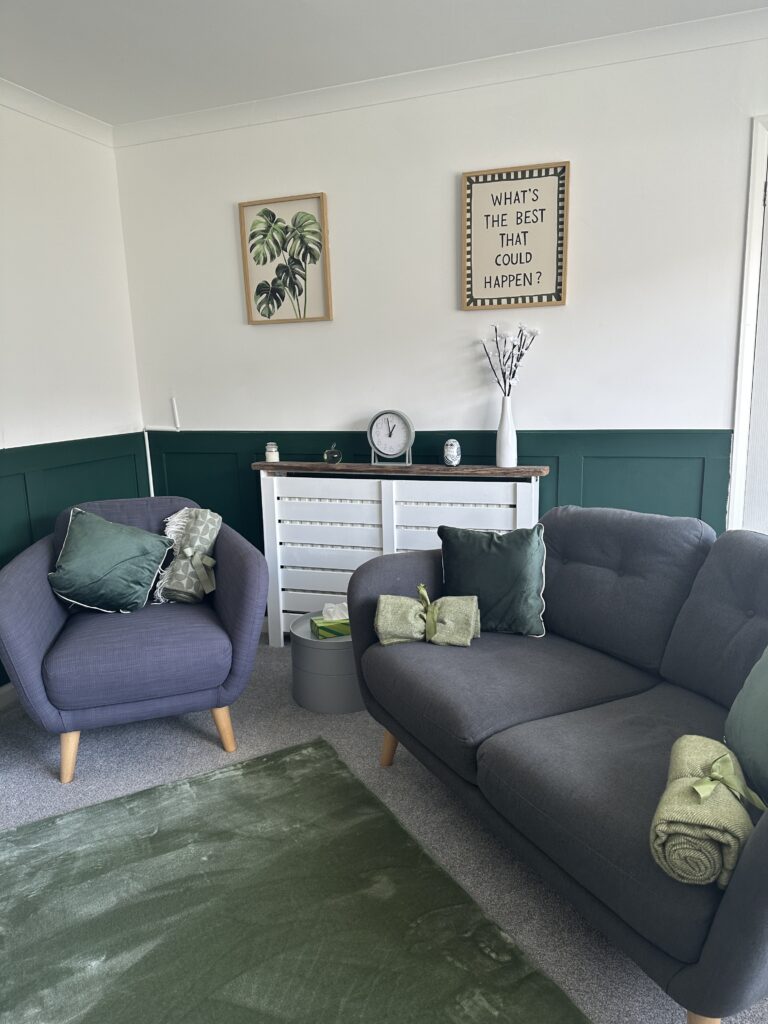
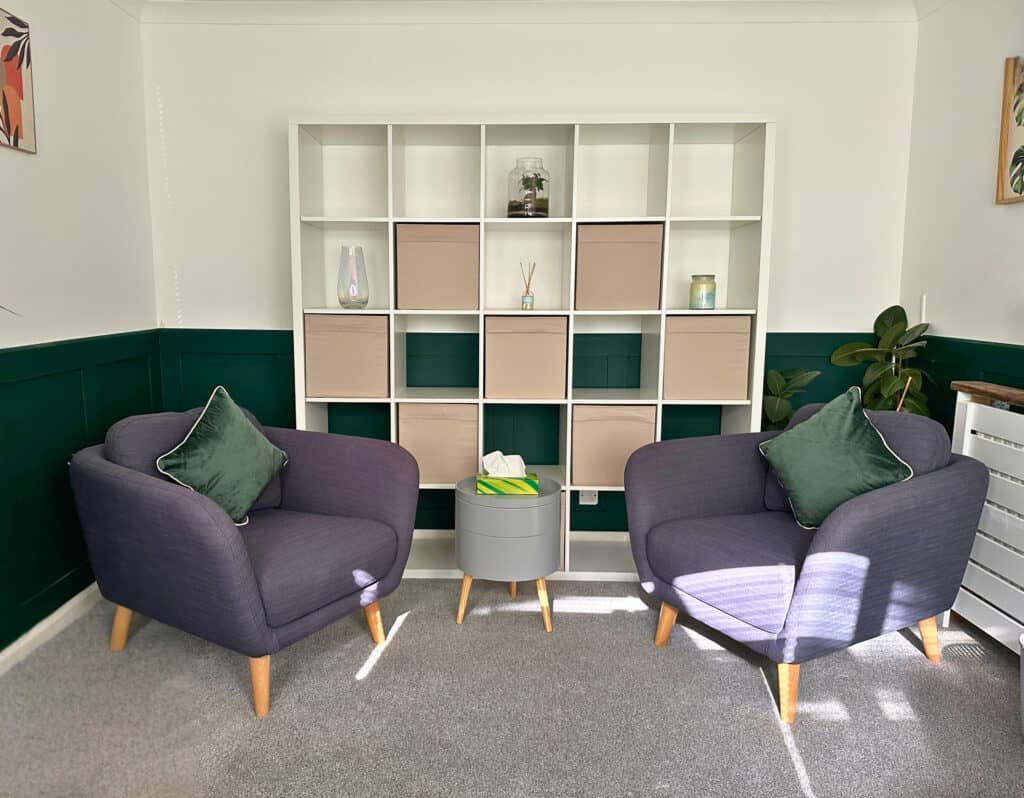
I offer counselling both in-person from my practice in Plymouth and online via secure video calls, so you can choose whichever feels most comfortable. The content and pace of the sessions are the same regardless of format. Some people find it easier to talk from the safety of their own home, while others prefer the dedicated space of a therapy room away from daily distractions. Both options are designed to give you that same gentle, confidential environment.
If you’re still wondering how does counselling work in practice, I hope this guide has taken away some of the uncertainty. Counselling is not about being told what to do; it’s about being heard, understood, and supported as you find your own way forward. You deserve that space.
Starting counselling can feel like a big step, especially if you’ve never done it before. If you’re still unsure, you’re welcome to arrange a free introductory call. It’s a chance to ask questions, find out how I work and decide whether I feel like the right counsellor for you, with no pressure to book.
Free Resources
If you’re not quite ready for counselling, or you’d simply like somewhere to begin, I’ve created a collection of free resources to support you.
You’ll find journalling prompts, worksheets and practical guides covering topics such as boundaries, self-worth, grief, people-pleasing, perfectionism and grounding techniques.
You don’t have to do everything at once. Small steps still count.