
When Grief Doesn’t Move:
Understanding Complicated Grief
Grief can change the shape of a day before you have even got out of bed.
A chance to ask questions, see whether we’re a good fit, and decide whether you’d like to work together.
grief that stays intense
You might wake up and, for a few seconds, forget. Then the remembering lands again. Or you might be standing in the supermarket, choosing something ordinary, when a song, a smell, or a tiny detail pulls the floor out from under you.
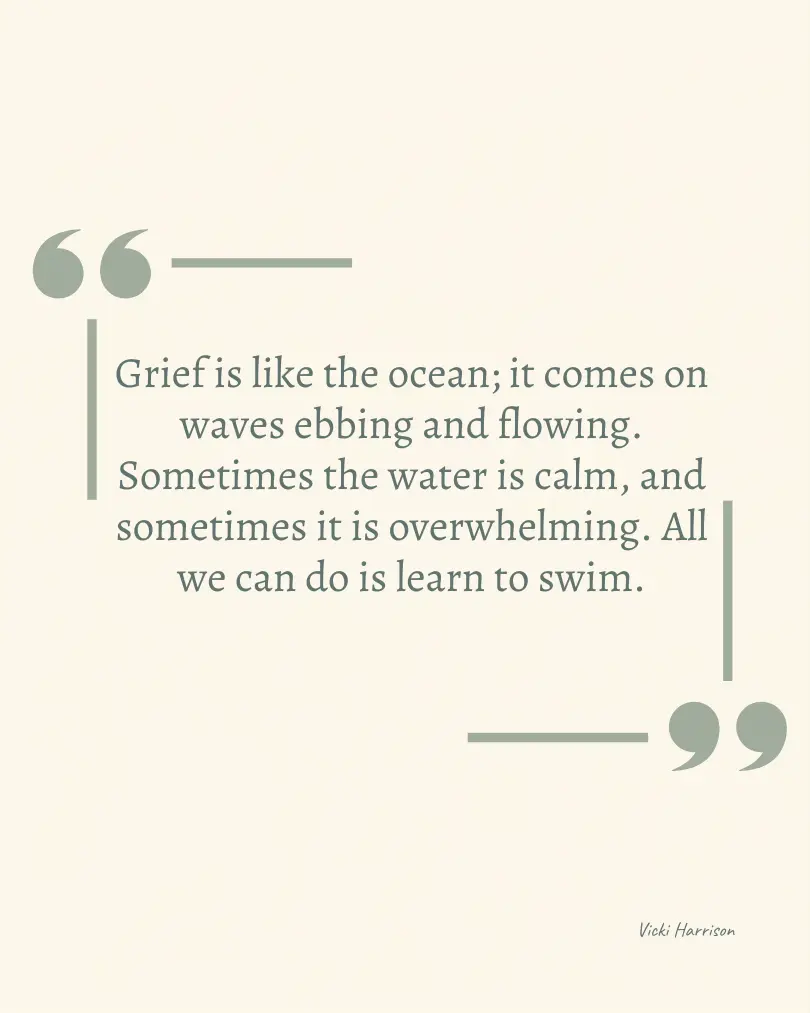
That is part of grief for many people. It comes in waves. It catches you in the middle of normal life. It does not follow the neat timeline other people sometimes expect.
But sometimes grief does not seem to move at all.
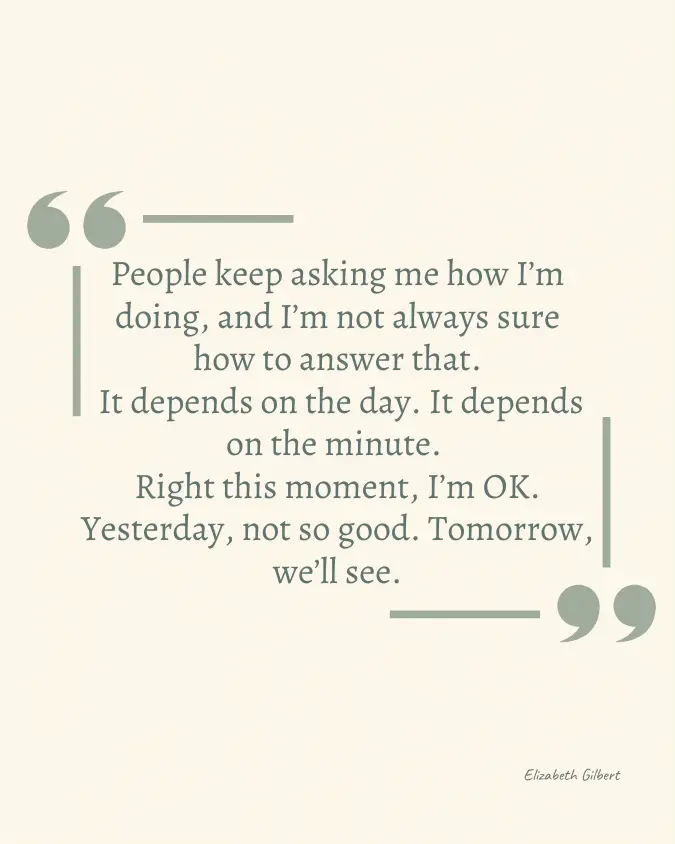
Months pass. Then years. Other people carry on, but inside you still feel close to the raw beginning of it. You might function. You might work, answer messages, look after others, and do all the things that make you look “fine” from the outside. But underneath, something feels frozen.
Some people call this complicated grief. You may also hear it called prolonged grief, which simply means grief that stays intense, painful, and difficult to live with for a long time.
I often think of it as grief that has become stuck.
Not because you are doing grief wrong. Not because you are weak. Not because you should have tried harder to “move on.”
Grief gets stuck for reasons. And when it does, it deserves care.
What complicated grief can feel like
Complicated grief is not one single feeling. It can show up differently for different people.
For some, it is a constant ache. For others, it is numbness, as if the feelings have gone behind glass. Some people feel consumed by thoughts of the person who died. Others avoid thinking about them because the pain feels too much to touch.
You might find that life feels divided into before and after.
Before the loss, there may have been plans, routines, ordinary irritations, and things you assumed would keep being there. After the loss, everything can feel strange. Even the familiar parts of your life can feel slightly wrong, as if you are walking through rooms that no longer belong to you.
You may struggle with sleep. You may feel exhausted but wired. You may find work harder, conversations harder, decisions harder. You may lose patience with people who complain about small things, then feel guilty for being irritable.
You might feel detached from people who are still here, not because you do not care about them, but because the person you most want to reach is gone.
If you were already carrying anxiety, self-doubt, burnout, or feeling overwhelmed, grief can press on those places too.
It can make everything heavier.
Why grief can become complicated
There is no simple reason why one person’s grief softens over time and another person’s grief stays painfully sharp.
Sometimes it is about how the person died. A sudden death, suicide, accident, traumatic illness, or a loss where you did not get to say goodbye can be especially hard to process. Your mind may keep returning to the shock of it, trying to make sense of something that felt too much, too fast, or too cruel.
Sometimes it is about the relationship.
Not every important relationship is simple. You can love someone deeply and still have unresolved hurt between you. You can miss someone and feel angry with them. You can grieve someone who was complicated, someone who let you down, someone you cared for, someone you depended on, or someone who depended on you.
This kind of grief can be hard to speak about because people often expect loss to produce one clear emotion. Sadness. Love. Missing.
Real grief is usually messier than that.
There can be relief mixed with guilt. Anger mixed with tenderness. Longing mixed with resentment. Gratitude mixed with regret. None of that means your grief is wrong. It means the relationship mattered and that it was real, with all its human knots and loose ends.
Your own history matters too. If you have had earlier losses, trauma, anxiety, depression, or long periods of having to keep going without much support, grief may land on an already tired system. It can feel less like one loss and more like every old loss waking up at once.
This is one of the reasons time alone is not always enough.
Time can help. But time does not automatically heal what has never had room to be understood.
The problem with “moving on”
Most advice about grief uses language that can feel quite brutal.
Move on. Let go. Find closure.
These phrases are often meant kindly, but they can make grief feel like a task you are failing at.
You may not want to “let go” of the person. You may not want closure, especially if closure sounds like shutting a door. You may not want to move on if moving on sounds like leaving them behind.
In my experience, grief counselling is not about pushing someone away from the person who died. It is about helping the loss take up a different kind of space.
At first, grief may fill every room. Over time, with support, it may still be there, but not in a way that blocks every doorway.
You do not have to stop loving someone in order to live.
Complicated grief and depression
Grief and depression can look very similar from the outside.
Both can affect sleep, energy, concentration, appetite, motivation, and your ability to enjoy ordinary things. Both can make you withdraw from other people. Both can make the future feel flat or frightening.
The difference is often where the pain gathers.
With complicated grief, the pain usually circles around the person who died. Missing them. Wanting them back. Struggling to accept the loss. Feeling pulled towards memories or frightened of them.
Depression can feel more general. It can colour everything, not only the bereavement. It may bring a wider sense of emptiness, worthlessness, or hopelessness that is not always tied to one specific loss.
Of course, the two can exist together. Long, unsupported grief can wear a person down. If you have been carrying this for a long time, it makes sense that your mood, body, and sense of self might be affected.
You do not need to diagnose yourself before asking for help.
A good counsellor will not rush to label you. The work begins with listening carefully to what life feels like for you now.
How counselling can help
Counselling cannot take away the fact of the loss.
I would never want to pretend it can.
What it can offer is a steady, private place to speak honestly about what has happened and what it has done to you. Not the polished version. Not the version you give to people when you can tell they are uncomfortable. The real version.
In grief counselling in Plymouth or online, we might talk about the person who died, the relationship you had, the way they died, and the parts of the grief that feel hardest to touch. We might talk about guilt, anger, numbness, longing, relief, or the fear that life will never feel meaningful again.
There is no need to make your grief tidy.
Sometimes counselling helps because you can finally say the things you have been editing out. The thoughts that feel too dark. The feelings that seem disloyal. The resentment you think you should not have. The love that still has nowhere to go.
Grief often becomes more frightening when it is trapped inside. Speaking it slowly, with someone who can stay with you in it, can begin to change how alone you feel with it.
Finding a different way
to carry the loss
The aim is not to forget. It is not to become the person you were before. And it is not to force yourself into a version of healing that looks acceptable to other people.
The aim is to find a way of carrying the loss that leaves some room for you too.
That might mean being able to look at a photograph without feeling destroyed. It might mean visiting a place you have avoided. It might mean sleeping a little better, answering a message, cooking a meal, or feeling a small moment of ease without immediately feeling guilty.
It might mean beginning to understand that love does not end because life continues.
There can be a strange guilt in having a good day after someone has died. As if feeling any lightness means you have forgotten them, or that the loss mattered less than you said it did.
But grief does not work like that.
When to seek support
There is no exact point at which grief becomes “serious enough” for counselling.
You do not have to wait until you are in crisis. You do not have to wait until other people understand how bad it feels. You do not have to justify why you are still hurting.
If your grief is affecting your sleep, work, relationships, health, or ability to feel present in your own life, that matters.
If you feel stuck in guilt, anger, longing, numbness, or disbelief, that matters.
If you are tired of pretending you are coping better than you are, that matters too.
Some people come to counselling soon after a loss. Others come years later, when they realise they have survived the loss but never really had the chance to process it. Both are valid.
There is no expiry date on needing support.
You can laugh and still miss them. You can build something new and still carry them with you. You can have a future without it meaning their life has been pushed into the past and left there.
Questions people often ask
-
How is complicated grief different from ordinary grief?
Ordinary grief can be deeply painful, so the word “ordinary” does not mean easy. It simply means grief that gradually changes over time. You still miss the person, but the grief begins to move. There may be more breathing room between the waves.
Complicated grief tends to stay intense and difficult to live with. It can feel as if you are caught in the same pain, disbelief, guilt, or longing, long after the death. You may feel unable to accept the loss emotionally, even if you understand it logically.
-
How long does complicated grief last?
There is no single timeline. Some people start to worry because months have passed and they still feel raw. Others have been carrying grief for years and only later realise how much it has shaped their life.
Rather than focusing only on how long it has been, it can be more helpful to ask how much the grief is affecting you now. If it is stopping you from sleeping, connecting, working, making decisions, or feeling part of your own life, support may help.
-
What happens in counselling for complicated grief?
Counselling gives you time to talk about the loss without being rushed, judged, or told to be positive.
We may explore what happened, what the person meant to you, what has changed since they died, and where you feel most stuck. We may also look at how grief is affecting your body, relationships, routines, and sense of self.
There is no script you have to follow. You do not have to talk about everything at once. The pace matters.
-
Can grief come back after I have started to feel better?
Yes. Grief can rise again around anniversaries, birthdays, holidays, familiar places, music, smells, or unexpected moments in ordinary life.
That does not mean you have gone backwards. It means the person still matters.
Over time, these waves can become less frightening. You may begin to recognise them, care for yourself through them, and trust that they will not always be as overwhelming as they feel in the moment.

Counselling for grief in Plymouth
If you are reading this and something in it feels familiar, you do not have to force yourself through it alone.
I offer counselling in Plymouth from my private therapy room in Plymstock, as well as online counselling for people who prefer to meet from home. My work is gentle, honest, and paced around what feels manageable for you.
Grief does not need to be neat before you bring it to counselling. You can come with the anger, the numbness, the guilt, the love, the confusion, and the parts you have not known how to say out loud.
If you would like to talk about whether counselling might be right for you, you are welcome to book a free introductory call.
No pressure. No need to have the right words. Just a first conversation.
Free Resources
If you’re not quite ready for counselling, or you’d simply like somewhere to begin, I’ve created a collection of free resources to support you.
You’ll find journalling prompts, worksheets and practical guides covering topics such as boundaries, self-worth, grief, people-pleasing, perfectionism and grounding techniques.
You don’t have to do everything at once. Small steps still count.