
What Causes Low Self-Esteem and Low Self-Confidence?
Explore what causes low self-esteem, how it can affect everyday life and how counselling in Plymouth may help you understand these patterns.
A chance to ask questions, see whether we’re a good fit, and decide whether you’d like to work together.
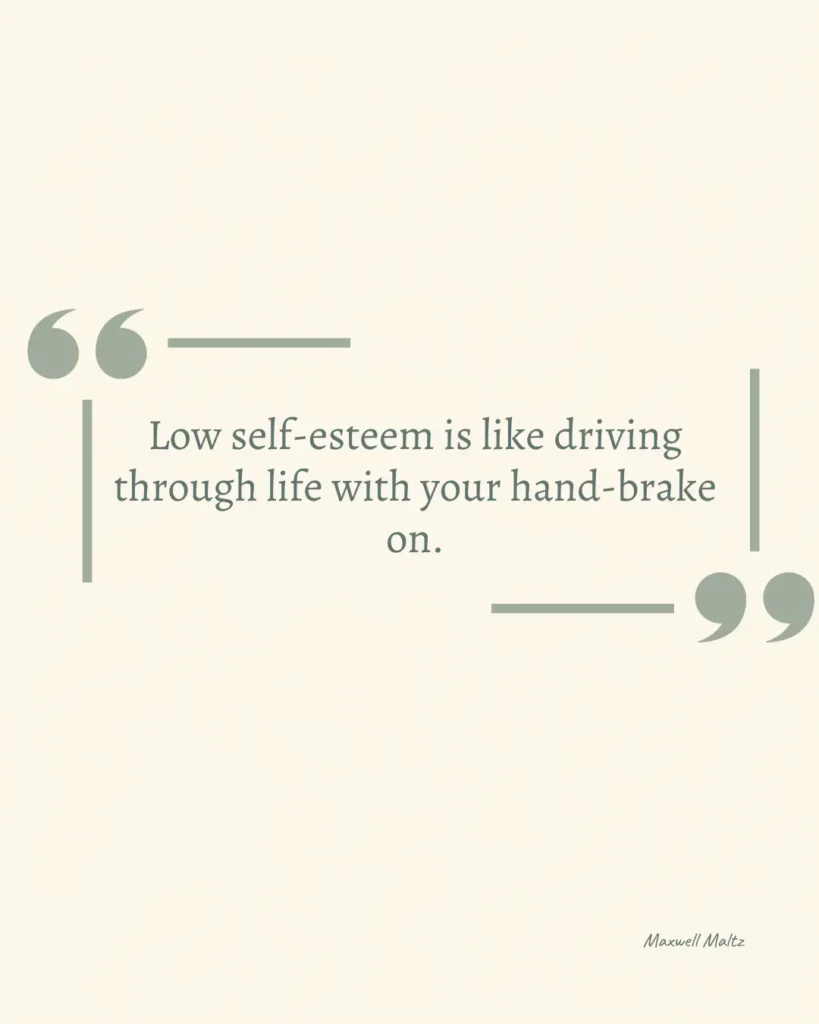
Low Self-Esteem and Low Self-Confidence: Where Do They Come From?
Feeling that you are not good enough can affect almost every part of your life.
You might doubt your decisions, dismiss your achievements or assume other people are more capable than you. You may work hard to avoid mistakes, keep everyone happy or prove that you deserve your place.
From the outside, you might appear confident and capable. Inside, it can feel as though nothing you do is quite enough.
Low self-esteem and low self-confidence often develop for understandable reasons. Exploring where these feelings came from can help you recognise that they are not facts about who you are.
The thoughts that we have are just that, thoughts.
Thoughts aren’t facts.
What is the difference between self-esteem and self-confidence?
Although self-esteem and self-confidence are closely connected, they are not quite the same.
Self-confidence relates to what you believe you can do. It can change depending on the situation. You might feel confident in your work but uncertain in social situations, relationships or unfamiliar environments.
Self-esteem is about how you see your value as a person.
A simple way to understand the difference is:
- Self-confidence asks, “Can I do this?”
- Self-esteem asks, “Am I good enough?”
This is why someone can be successful, reliable and good at what they do while still struggling with low self-esteem.
You might know that you are capable of managing a crisis, meeting a deadline or supporting someone else. That does not necessarily mean you feel worthy of care, acceptance or respect.
What can cause low self-esteem?
There is rarely one clear cause. Low self-esteem often develops through a combination of experiences, relationships and expectations.
Early experiences and relationships
As children, we learn about ourselves through the way other people respond to us.
Frequent criticism, comparison or feeling overlooked can affect how you come to see yourself. So can receiving approval mainly when you are helpful, successful, well behaved or easy to manage.
You may have learned that certain feelings were unacceptable or that your needs caused difficulties for other people. Perhaps you felt responsible for keeping the peace or making life easier for everyone around you.
These experiences can create a belief that acceptance has to be earned.


Bullying, rejection or feeling different
Being bullied, excluded or repeatedly misunderstood can leave you wondering whether there is something wrong with you.
Perhaps you were described as too sensitive, too emotional, too intense, too loud or too quiet. You may have struggled with things that seemed to come easily to other people without understanding why.
As an adult, you might continue monitoring how you behave, hiding parts of yourself or changing what you say to avoid criticism and rejection.
Difficult or stressful life events
Low self-esteem does not always begin in childhood.
Losing a job, experiencing a relationship breakdown, becoming unwell or facing financial difficulties can change how you feel about yourself. Major life changes such as becoming a parent, starting a new role or moving somewhere unfamiliar can also bring self-doubt.
When something feels difficult, it is easy to turn that experience into a judgement about yourself.
The situation may be temporary, but the conclusion you draw about yourself can stay with you.
Perfectionism and self-criticism
Perfectionism is often driven by more than simply wanting to do something well.
You might spend far longer than necessary checking your work, delay starting because you cannot see how to do it perfectly or replay small mistakes long after everyone else has forgotten them.
Even when something goes well, you may focus on what could have been better. You move the standard each time you reach it, leaving little opportunity to feel pleased with yourself.
If you only allow success to count when it is flawless, you are likely to feel as though you are failing most of the time.
Ongoing stress and overwhelm
Constant pressure can affect your ability to concentrate, remember things, make decisions and begin tasks.
You might know what needs doing but feel unable to start. Small jobs may become surprisingly difficult, particularly when your mental load is already full.
Instead of recognising these difficulties as signs of stress or overload, you may see them as evidence that you are lazy, disorganised or incapable.
You push yourself harder because you think you should be coping. This increases the exhaustion, making everyday life even more difficult and giving your self-critical voice more material to use against you.
What can low self-esteem look like?
Low self-esteem is not always obvious. It can appear as being highly conscientious, independent or eager to help.
You might:
Struggle to accept compliments
Focus on mistakes and overlook what went well
Compare yourself with other people
Worry about disappointing someone
Say yes when you want to say no
Overprepare because you do not trust yourself
Avoid opportunities in case you fail
Dismiss your achievements as luck
Find it difficult to ask for what you need
Feel responsible for other people’s emotions
Rely on reassurance but struggle to believe it
Be harsher on yourself than anyone else
struggle to accept compliments
focus on mistakes and overlook what went well
Compare yourself with other people
worry about disappointing someone
say yes when you want to say no
overprepare because you do not trust yourself
avoid opportunities in case you fail
dismiss your achievements as luck
find it difficult to ask for what you need
feel responsible for other people’s emotions
rely on reassurance but struggle to believe it
speak to yourself far more harshly than you speak to anyone else
Your sense of worth may also depend on being productive, useful or needed.
When these patterns have been present for years, they can feel like part of your personality. You may not recognise them as low self-esteem because you cannot remember relating to yourself any differently.
How low self-esteem can affect everyday life
Low self-esteem can make ordinary decisions feel much more complicated.
You may repeatedly question your judgement or look to other people to confirm that your choices are acceptable. You might stay in situations that leave you unhappy because asking for something different feels selfish or unreasonable.
In relationships, you may hide your feelings, avoid disagreement or put other people’s needs before your own. You might work hard to keep everyone happy while feeling resentful, exhausted or unseen.
Even when someone cares about you, it can be difficult to trust that their feelings are genuine. Compliments may feel uncomfortable, while the smallest criticism seems to confirm everything you already fear about yourself.
Over time, this level of self-doubt can contribute to anxiety, low mood, burnout and feeling stuck. Low self-esteem is not a mental health condition, but living with it can be exhausting.
Can you be confident and still have low self-esteem?
Yes. You can trust your abilities in certain areas while struggling with your sense of worth.
You may be confident when doing your job, organising other people or handling an emergency. Others might describe you as strong, dependable and capable.
At the same time, you may feel that you have to keep proving yourself. Success brings some relief, but it does not last. There is always another standard to meet or another reason why your achievement does not really count.
This is why accomplishing more does not necessarily improve low self-esteem. If your worth depends on what you achieve, you may never feel able to stop and believe that you have done enough.
Ways to begin building self-esteem
Improving self-esteem is not about forcing yourself to think positively or repeating statements that feel untrue.
It involves understanding your existing beliefs, noticing how they affect you and developing a fairer way of responding to yourself.
Pay attention to your inner voice
Notice the words you use when you make a mistake, forget something or struggle with a task.
You may be so used to criticising yourself that you barely register how harsh the language is.
Instead of “I’m useless,” you could try:
“I’m struggling with this today.”
This does not pretend that everything is fine. It describes what is happening without turning one difficult moment into a verdict on who you are.
Respond without attacking yourself
Being kinder to yourself does not mean avoiding responsibility or pretending mistakes do not matter.
You can recognise that something went wrong, consider what you want to do differently and make amends where necessary. None of that requires calling yourself useless, selfish or a failure.
Accountability and self-punishment are not the same thing.
Allow your efforts to count
If you dismiss your achievements automatically, try noticing the effort involved rather than judging yourself only by the outcome.
Getting through a demanding day counts. Asking for help counts. Saying no when you do not have the capacity counts. Returning to something after struggling to begin counts.
These moments provide a more accurate picture than the version of you presented by your self-critical thoughts.
Notice how you feel around other people
Pay attention to which relationships allow you to relax and which leave you monitoring everything you say and do.
Supportive relationships make room for your feelings, boundaries and needs. You do not have to perform, prove your worth or make yourself smaller to remain accepted.
Question the rules you follow
Low self-esteem is often connected to strict personal rules:
You may never have consciously chosen these rules. They could have developed because they helped you feel accepted, avoid conflict or manage an unpredictable situation.
It can be useful to consider whether they still protect you or now leave you feeling restricted and exhausted.
I must not let anyone down.
I should always be productive.
I have to cope by myself.
I must not be difficult.
Making a mistake means I have failed.
Other people’s needs matter more than mine.
How counselling can help with low self-esteem
Low self-esteem often has roots that positive thinking alone cannot reach.
Counselling gives you space to explore the experiences that influenced how you see yourself. You can begin to understand where your expectations came from, what triggers your self-critical thoughts and why certain patterns have been difficult to change.
You do not need to know exactly what caused your low self-esteem before beginning counselling.
We can start with what is happening in your life now and explore it at a pace that feels manageable. This might include looking at people-pleasing, perfectionism, boundaries, emotional intensity or the pressure to keep everything under control.
The aim is not to turn you into a different person. It is to help you understand yourself more fully and develop a relationship with yourself that is fairer and less punishing.
You don’t need to know where to start. We’ll work it out together.
Frequently Asked Questions
-
Is low self-esteem a mental illness?
Low self-esteem is not a mental health condition.
However, persistent self-doubt and self-criticism can contribute to anxiety, low mood and burnout. They may also make it harder to ask for support or make changes when something is not working for you.
-
Can low self-esteem improve?
Yes. The beliefs you hold about yourself may feel deeply ingrained, but that does not make them permanent.
Change usually happens gradually. It can involve understanding where those beliefs came from, recognising when they are influencing you and practising different ways of responding.
-
What is the main cause of low self-esteem?
There is usually no single cause.
Low self-esteem can be influenced by early relationships, criticism, bullying, rejection, stressful life events, perfectionism and prolonged overwhelm. For many people, several experiences have built upon one another over time.
-
How is low self-esteem different from low self-confidence?
Low self-confidence relates to how capable you feel in a particular situation. Low self-esteem relates to your sense of value as a person.
You can feel confident in some areas of your life while still believing that you are not good enough.
Counselling for low self-esteem in Plymouth
If low self-esteem is contributing to anxiety, overwhelm or feeling stuck, counselling can give you somewhere to explore what is happening without having to minimise it or explain it perfectly.
I offer in-person counselling in Plymouth and online counselling for people who are tired of questioning themselves, trying to meet impossible standards or feeling that they should be coping better.
You can begin wherever feels most relevant. We will take it from there, without pressure to have the right words or know what needs to change.
There’s no pressure to continue. Just a conversation.