
So I’ve Got an ADHD Diagnosis.
What Now?
You get the diagnosis, and for a moment everything makes sense.
Then, quite often, nothing feels simple at all.
A chance to ask questions, see whether we’re a good fit, and decide whether you’d like to work together.
Prefer the short version?
Not everyone enjoys reading long articles. If you’d rather have the highlights first, you’ll find a quick summary in the accordion below before you dive into the rest.
Article Highlights
- Relief and mixed feelings after diagnosis: Getting the ADHD label can feel clarifying, but it’s normal to also feel grief, doubt, or emptiness as you adjust to what it means for you.
- Masking and self-blame can linger: Diagnosis can turn on the lights on years of hiding or overcompensating, and you may realize how much you’ve blamed yourself for things with a reason behind them.
- Look at patterns, not perfection: Start by noticing patterns in everyday life—not as a verdict on you, but to understand what’s actually happening and cut yourself some slack.
- Counselling and support aren’t just about productivity: Counselling can help with shame, burnout, and anxiety, and support goes beyond tools to include honest conversations and rest, not just more routines.
- Tell people thoughtfully and pace yourself: You don’t owe everyone the full story; share the news gradually with those who listen well, and set boundaries around what you want them to know.
You don’t have to do everything at once. Small steps still count.
How it might feel
There might be relief. Finally, there is a name for the thing you have been trying to explain for years. The unfinished tasks. The emotional overwhelm. The way you can do something difficult under pressure but cannot reply to a simple text. The constant sense that everyone else got an instruction manual and yours went missing.
But relief is not the only feeling that can arrive.
You might feel grief. Anger. Doubt. Sadness. Even a strange kind of emptiness once the appointment is over and the report is sitting in your inbox.
A diagnosis can explain a lot, but it does not automatically tell you what to do next.
That bit can feel surprisingly lonely. There might even be some imposter syndrome at play. “Did I make up my answers in the assessment?” or “I’m sure I’ve tricked people”.
No two responses to the diagnosis are the same.
We are all unique, your neurodivergent brain is not the same as every other neurodivergent person. There are no right or wrong ways to feel about your diagnosis.
A diagnosis can be both helpful
and unsettling
People often expect an ADHD diagnosis to feel like a clean answer.
Sometimes it does. But it can also stir up a lot.
You may find yourself looking back over your life with new eyes. School reports. Friendships. Work struggles. Money worries. The times you were called lazy, dramatic, chaotic, too much, not trying hard enough. The times you believed it.
That can hurt.
Not because the diagnosis is bad, but because it can show you how long you have been blaming yourself for things that had a reason.
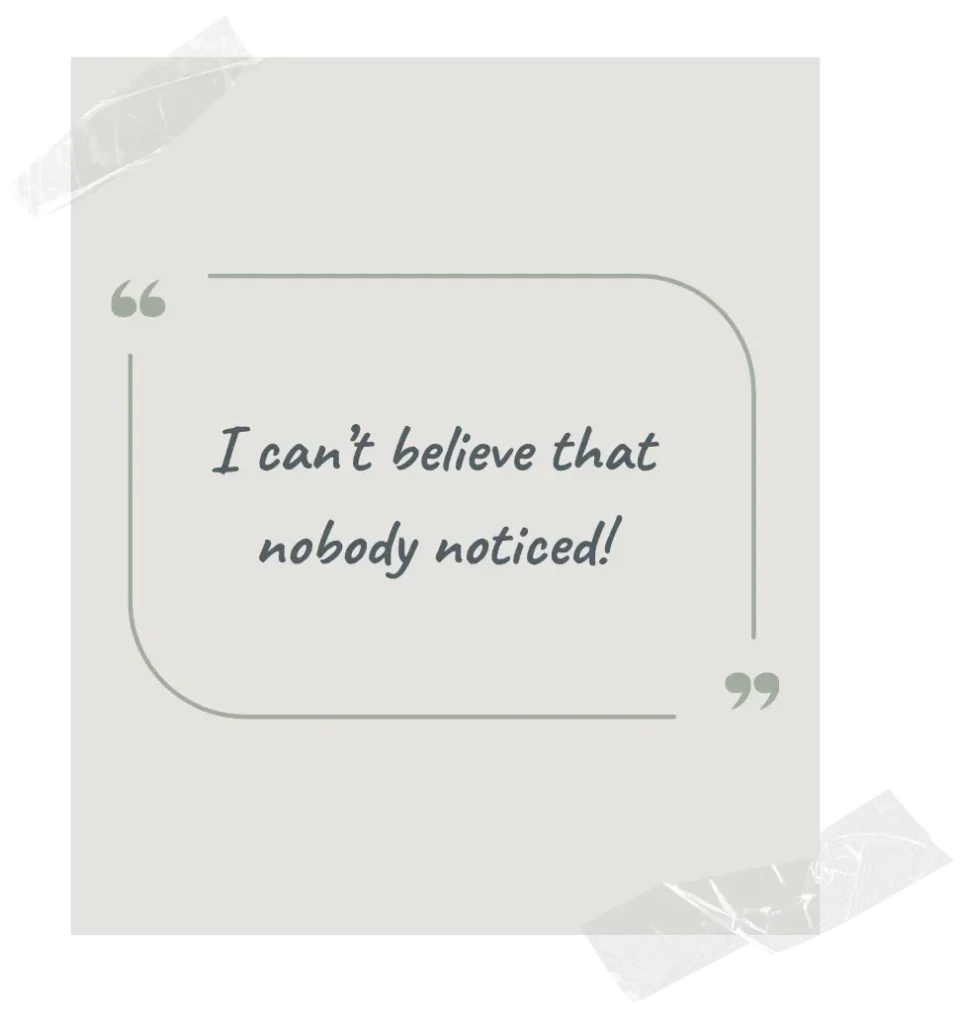
It is common to have thoughts like, “What would my life have looked like if I had known sooner?” or “Why did nobody notice?” or “How much of my personality is actually masking?”
Masking is the word often used for hiding or covering up parts of yourself so other people do not see how hard things are. It can look like over-preparing, people-pleasing, laughing things off, copying how others behave, or holding yourself together all day and falling apart when you get home.
If you have spent years doing that, diagnosis can feel less like a neat label and more like someone has turned the lights on in a room you have been stumbling through for a very long time.
You don’t need to know where to start. We’ll work it out together.
Let the feelings be mixed
You might feel relieved one day and furious the next.
You might feel validated, then suddenly wonder if you have made it all up. You might read about ADHD and recognise yourself so strongly that it feels comforting. Then later, you might feel embarrassed, exposed, or overwhelmed by how much there is to understand.
This does not mean you are being dramatic. It means your mind is trying to make sense of something important.
For late-diagnosed adults, there is often a lot to untangle. Not just the traits themselves, but the beliefs that grew around them.
These beliefs do not disappear just because a report says ADHD. They may have been with you for years. They may have shaped your choices, your relationships, your confidence, and the way you speak to yourself.
This is where counselling for ADHD in Plymouth can be helpful. Not because counselling will make your brain work like someone else’s, but because it can help you understand yourself with less shame.
Sometimes a diagnosis doesn’t give you a new identity. It helps you question the one you’ve been carrying for years.
You do not have to fix everything immediately
( or at all)
A lot of advice after an ADHD diagnosis jumps straight to systems.
Buy this planner. Try this app. Wake up earlier. Build a routine. Use colour coding. Sort your whole life out by next Thursday.
Some tools might help. But if you are newly diagnosed, you may not need another productivity project straight away.
You may need time to let the information land.
This is especially true if you have spent years feeling behind, ashamed, or confused by your own patterns. It can be tempting to treat the diagnosis as a starting gun. Now you know, so now you must change everything.
But that can become another way of putting pressure on yourself.
A diagnosis is information. It is not an instruction to rebuild your life overnight.
You are allowed to go slowly.

Start by noticing your patterns
Once the diagnosis is there, it can be tempting to explain everything through ADHD.
That is understandable. After years of not having enough explanation, the explanation can feel huge.
But you are still a whole person, not just a diagnosis.
It can help to start noticing your own patterns in ordinary life. Not in a harsh, monitoring-yourself way. More like gathering clues.
What happens when you have too many decisions to make? What happens when a task has no clear starting point? What happens when someone is disappointed with you? What happens when you are tired, hungry, overstimulated, or trying to push through a day with no breathing space?
You might begin to see that your difficult moments are not random.
Maybe you freeze when a task feels too big. Maybe you agree to things too quickly because saying no feels unbearable. Maybe you procrastinate until panic gives you enough energy to begin. Maybe you seem calm in public, then collapse into exhaustion afterwards.
This is not about judging yourself. It is about understanding what is actually happening.
When you understand the pattern, you can stop treating every struggle as a personal failure.
Should I tell people I have ADHD?
There isn’t a right way to feel about sharing your diagnosis.
For some people, it feels important to tell the people closest to them straight away. For others, it feels deeply personal and something they want to keep to themselves for a while.
You might find yourself wanting time to make sense of it before answering other people’s questions or responding to their opinions. That’s understandable. A diagnosis can bring relief, grief, validation and uncertainty, sometimes all at once.
Not everyone will understand your experience. Some people may minimise it or see it through the lens of stereotypes. Others may simply listen, accept what you’re telling them and be curious about what it means for you.
There is no deadline for deciding who to tell, or how much to share. You’re allowed to give yourself the space to understand what your diagnosis means to you first.
You can decide what details people get.
Life after diagnosis isn't about becoming someone different
A diagnosis doesn’t suddenly make life easier. It doesn’t automatically change years of habits, expectations or ways of coping.
Some people find practical strategies make a real difference. Things like reminders, visual prompts, breaking tasks into smaller steps or creating routines that work with, rather than against, the way their brain works.
But many people also find themselves asking bigger questions.
They begin to notice how often they’ve pushed themselves beyond their limits. How much energy they’ve spent trying to appear as though they’re coping. How often they’ve relied on urgency, self-criticism or guilt just to get through the day.
A diagnosis can be an opportunity to become curious about those patterns.
Rather than asking, “How can I make myself work harder?”, the question may gradually become, “What helps me function well, and what keeps leaving me exhausted?”
Those aren’t questions with quick answers. They often unfold over time, and sometimes they’re easier to explore with someone alongside you.
What about medication?
Some people choose to explore medication after an ADHD diagnosis. Some don’t. Some find it makes a significant difference, while others decide it isn’t right for them or spend time finding an option that works.
Those decisions are best discussed with a medical professional, and counselling isn’t a replacement for that.
What counselling can offer is something different.
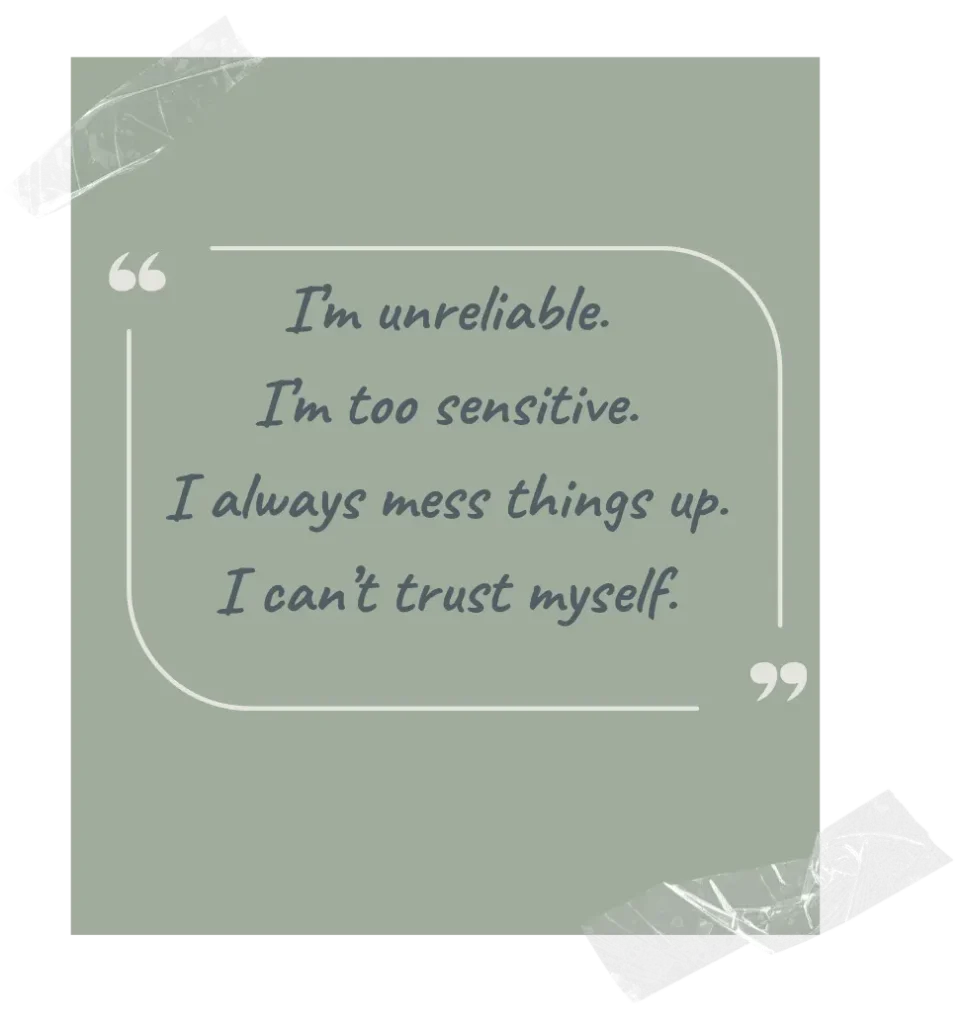
A diagnosis can answer a lot of questions, but it doesn’t automatically change how you see yourself. If you’ve spent years feeling like you were lazy, unreliable or somehow “not enough”, those beliefs don’t usually disappear overnight.
Counselling can be a space to explore how your diagnosis fits into your life now. To make sense of experiences that suddenly look different. To notice old patterns with curiosity rather than criticism. And to work out what support, boundaries or changes might genuinely help you going forward.
For many people, that understanding is just as important as the diagnosis itself.
The grief of a late diagnosis is real
This is the bit that can get missed.
People may expect you to feel only relieved. And you might feel relieved. But grief can sit alongside it.
You may grieve the support you did not get. The confidence you lost. The relationships that were strained because nobody understood what was going on. The years spent thinking you were lazy, messy, selfish, too emotional, or impossible.
You may remember moments that now feel painfully clear.
The teacher who said you had potential but needed to apply yourself. The job where you burned out trying to keep up. The friendships where you overthought every message. The times you cancelled plans because leaving the house felt too much. The evenings spent staring at a task, unable to start, while calling yourself useless.
Diagnosis can bring compassion. But before compassion settles, there may be anger.
That anger is not wrong. It may be part of recognising that you deserved better.
You may begin to see yourself differently
One of the hardest parts of being diagnosed later is that you may have built your identity around coping.
You might be the organised one because you are terrified of forgetting something. The easy-going one because asking for what you need feels too risky. The high-achieving one because achievement became the only way to feel safe. The funny one because humour helped hide the struggle.
You may not know what is you and what developed as a way of getting by.
That can feel disorientating.
You may also find yourself looking back at moments that have stayed with you. Impulsive decisions. Relationships that became complicated. Things you said, bought, agreed to or walked away from without fully understanding why. There can be sadness, embarrassment or shame when those memories surface.
It can be tempting to judge your past self through what you know now.
But understanding isn’t the same as excusing everything, and it isn’t about rewriting your history. It’s about seeing it with more context and, perhaps, a little more compassion.
You do not have to work it all out immediately. You can start with small questions.
Is this standard actually mine, or did I create it to avoid criticism? Do I want to do this, or am I scared of letting someone down? Am I tired because I have been forcing myself through a world that asks a lot from my brain?
Those questions don’t have to be answered all at once.
Sometimes it’s enough just to begin asking them.
What now?
After an ADHD diagnosis, you do not need to become an expert overnight.
You do not need to tell everyone. You do not need to buy every book, download every app, or overhaul your life before the end of the month.
A gentler place to start might be this.
Let the diagnosis be information, not a verdict. Let yourself feel whatever it brings up. Begin to notice your patterns with curiosity rather than punishment. Find people who can understand without minimising. Ask what support would actually make life easier, not just what would make you look more organised from the outside.
And try to remember this.
The diagnosis did not create your struggles. It named something that was already there.
You are not suddenly a different person. You are a person with more information than you had before.
That can be a beginning.
If you would like to explore your feeling around your ADHD diagnosis
I offer ADHD counselling in Plymouth from my private therapy room in Plymstock, as well as online counselling for adults who are making sense of a new or late diagnosis.
You might be feeling relieved, angry, overwhelmed, doubtful, or all of those things in the same week. You do not have to have a clear plan before reaching out.
If you would like to talk about whether counselling might be right for you, you are welcome to book a free introductory call.
No pressure to explain it perfectly. We can start with where you are.